
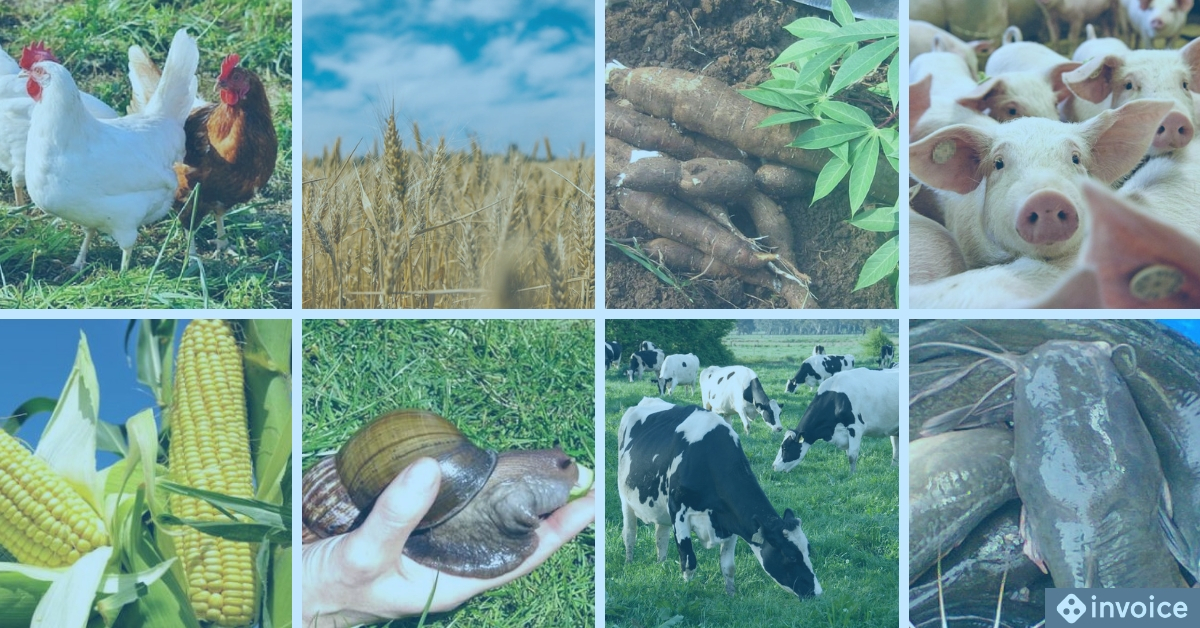
Agriculture remains one of the most profitable sectors in Nigeria, yet many people still overlook it. A well-planned farming business can generate steady income because food and raw materials are always in demand. No matter what happens in the economy, people still need to eat, and companies still need agricultural produce.
Starting a farming business in Nigeria today is more than traditional farming. It requires understanding the market, choosing the right products, and focusing on areas with strong demand and good profit margins.
With the right approach, even small-scale farmers can grow into successful business owners.
You don’t need a huge capital or farmland to enter the agriculture business. If you have a little piece of land in your backyard, you can still plant some crops in small or vertical containers to get the most out of your space.
In this article, we will discuss eight lucrative farming business ideas in Nigeria and why they have strong earning potential. If you’re considering agriculture as a source of income, this guide will help you understand where the real opportunities real opportunities are.
1. Poultry Farming.
Poultry farming involves raising domesticated birds like chickens, ducks, turkeys, and geese for meat or eggs. Poultry farming in Nigeria is probably one of the most lucrative farming businesses you can start. Chickens mature quickly, giving entrepreneurs the chance to make good money in the shortest time possible.
With Nigeria’s population well over 230 million, the market is huge and always hungry for supply. Demand for poultry products, especially eggs, is so consistent that buyers are constantly searching for reliable sources.
Despite occasional feed cost challenges, the sector’s quick turnover and everyday demand make it a top choice for steady profits.
2. Catfish Farming.
Many fish types are farmed in Nigeria, but catfish stands out because its meat is juicy, soft, and tasty. Best of all, not everyone realizes how quickly it grows, even on a small scale or at home in tanks/ponds.
Demand for catfish is high year-round. Restaurants, viewing centers, market women (who buy bulk for retail as live or smoked), and households keep the market active. With catfish farming, you’ll rarely struggle to sell your harvest.
3. Cassava Farming.
With the increasingly diverse uses of cassava products in Nigeria, cassava farming is getting more lucrative every day. This crop has long been a source of livelihood and staple food for millions of Nigerians. Over 90% of households consume cassava products daily. Popular items include garri, fufu, flour, animal feed, starch, and even industrial caramel.
Nigeria continues as the world’s top cassava producer, with output in the 60+ million metric ton range in recent years and steady growth in processing demand. As the population grows across Nigeria and Africa, demand for cassava products keeps rising, meaning higher revenues for farmers. If you’re looking for an agricultural business
where you can almost always sell out your entire harvest, cassava farming is one of the strongest options.
Also Read: How To Start A Profitable Business In Nigeria.
4. Maize Farming.
Maize (corn) farming has thrived in Nigeria for decades. It’s one of Africa’s most popular food crops, affordable and used in countless ways. Millions rely on it because it costs less than wheat, rice, or other grains.
The importance of maize production can’t be overstated. By-products include pap, custard, corn oil, alcohol, cornflakes, livestock feeds, flour, starch, and powder, creating multiple income streams. Fast growth (3-4 months to harvest) and steady demand from food and feed industries keep it highly profitable.
5. Rice Farming.
Nigeria is the largest rice producer in West Africa and ranks high on the continent, but local output still falls short of demand. Recent estimates put annual production around 8-9 million metric tons, while consumption exceeds that, leaving a clear gap for more farmers to fill.
Because of this massive everyday market for rice, if you’re searching for a lucrative agricultural business idea in Nigeria, rice farming is undoubtedly one of the most profitable in the sector. Government support, improved varieties, and rising local processing make it even more attractive in 2026.
Also Read: Simple Ways To Reduce Your Business Expenses.
6. Pig Farming.
Pig farming in Nigeria is one of the most lucrative and profitable livestock businesses. Pigs are prolific breeders, often delivering 10-14 piglets per litter.
Pork has strong demand in many areas as a tasty, protein-rich red meat. The West African pork market is worth billions, with a large portion still met by imports, leaving plenty of untapped local revenue for Nigerian farmers
7. Snail Farming.
Snail farming is considered one of the most lucrative agribusinesses you can start with low capital in Nigeria today. Yet, it remains one of the most overlooked animal-rearing opportunities. Snail farming offers one of the best chances to earn good money in a short time.
It’s a niche business with high rewards; snails sell at premium prices (4,000-7,000 per kilogram for live snails), especially during the dry season when wild supply drops and scarcity drives up value. Low maintenance (they feed on leaves and veggies) and minimal space needs make it ideal for beginners.
8. Honey Bee Farming.
Honey bees produce plenty of honey, and selling it can be a lucrative business, especially for people who aren’t allergic to stings, have limited startup funds, and only a small backyard space.
Honey is one of the oldest natural sweeteners, with proven health benefits and uses in food, medicine, and cosmetics. Commercial beekeeping is growing fast as demand for natural products rises in this health-aware world.
Conclusion.
There’s a surge of interest in the Agricultural sector in Nigeria. Many entrepreneurs are taking on various areas of agriculture, disrupting and transforming them into viably successful endeavors using information technology.
From maize farming and rice production to poultry farming and fishery. Agriculture is starting to recover its age-old respectable reputation